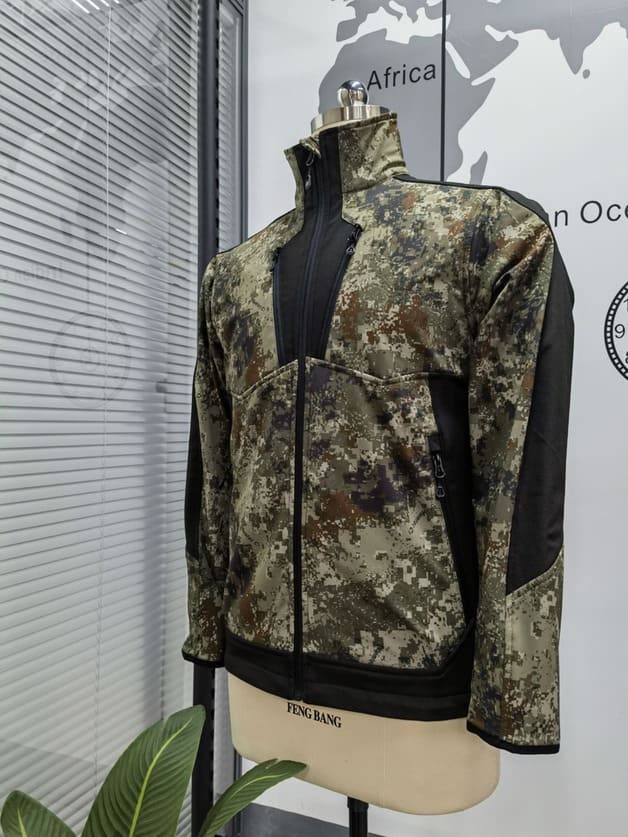
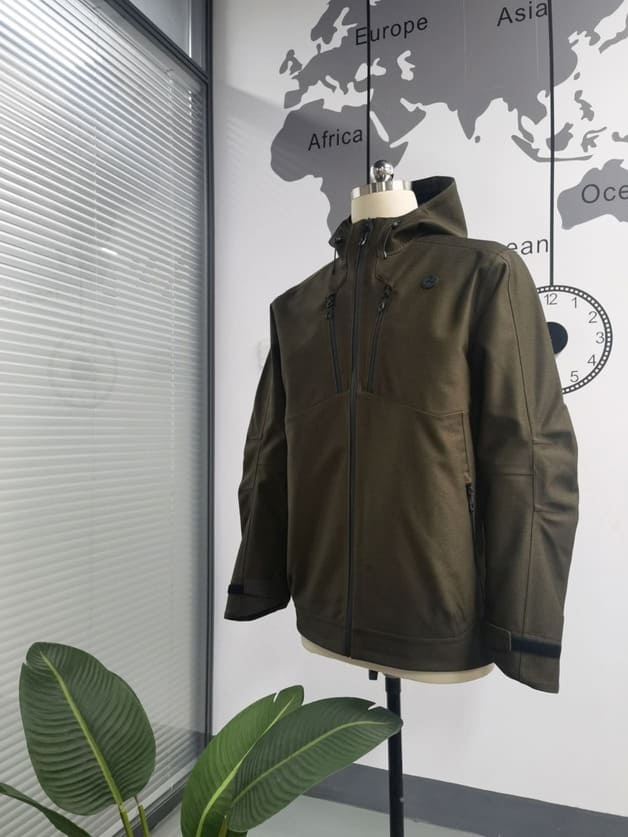
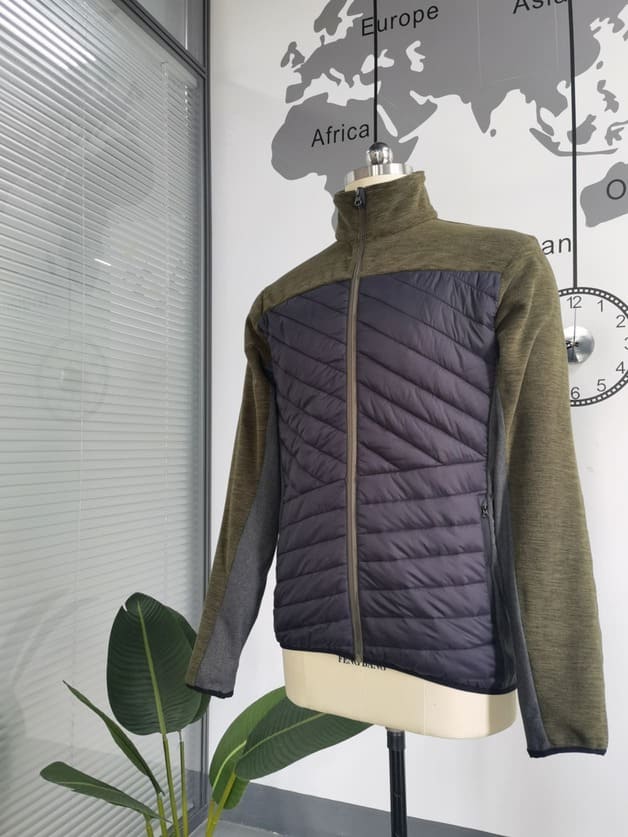
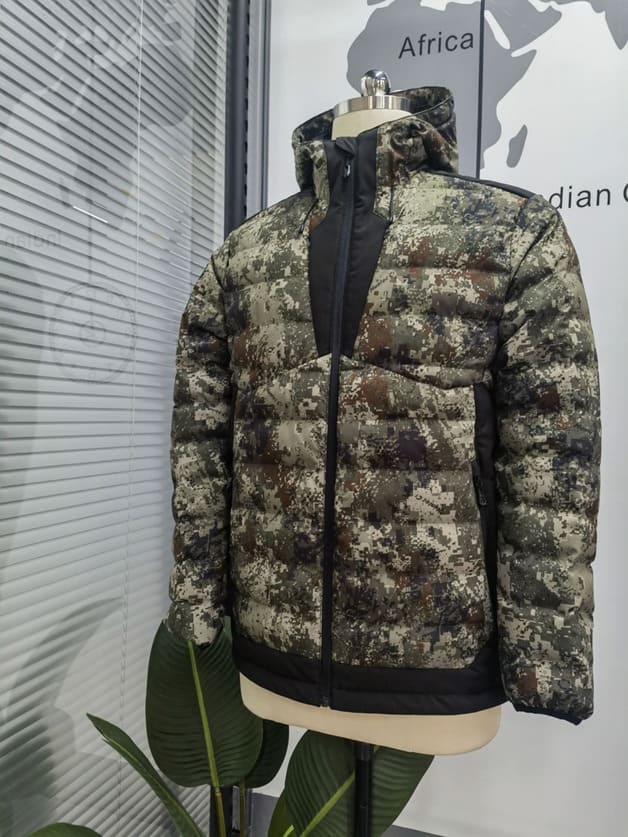
Custom Softshell Jackets for Hunting & Outdoor Brands

Build softshell jackets your customers actually want to wear in the field - quiet enough for active hunting, breathable enough for movement, and protective enough for changing conditions without feeling overbuilt. If your product needs stretch, comfort, DWR protection, and real-world usability, the key is getting the balance right early - before the jacket becomes too stiff, too heavy, or too technical for the intended user.

Hebe from Hi-nect

"At Hi-nect, we do more than produce garments. We help you make better product decisions early - before wrong materials, trims, or construction details become costly bulk problems."
- Hebe, Founder of Hi-nect

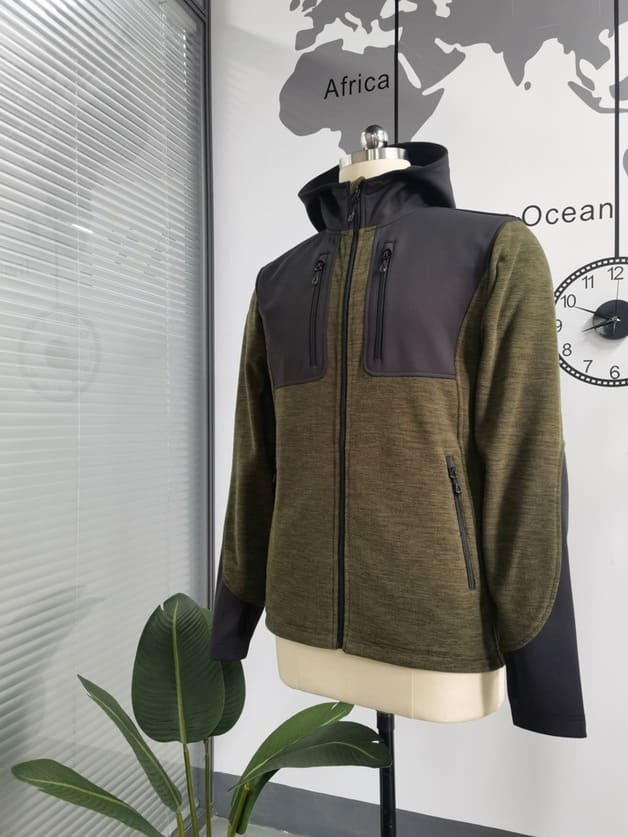
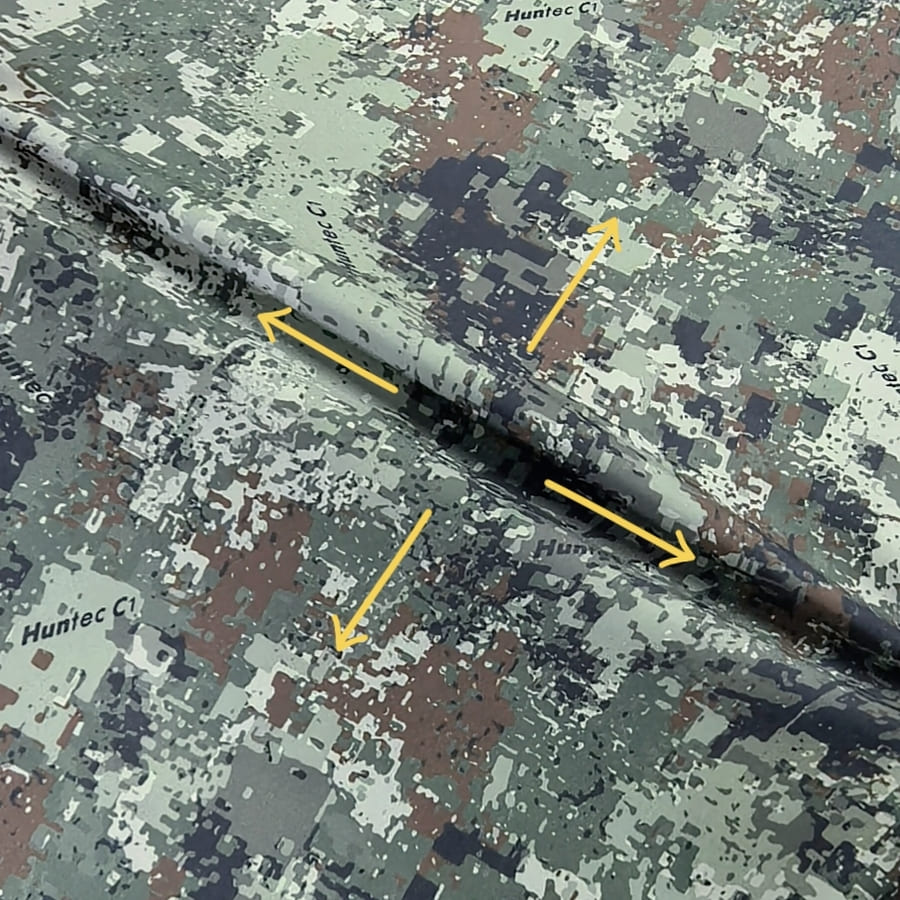
Stretch That Moves Naturally

Breathable During Movement

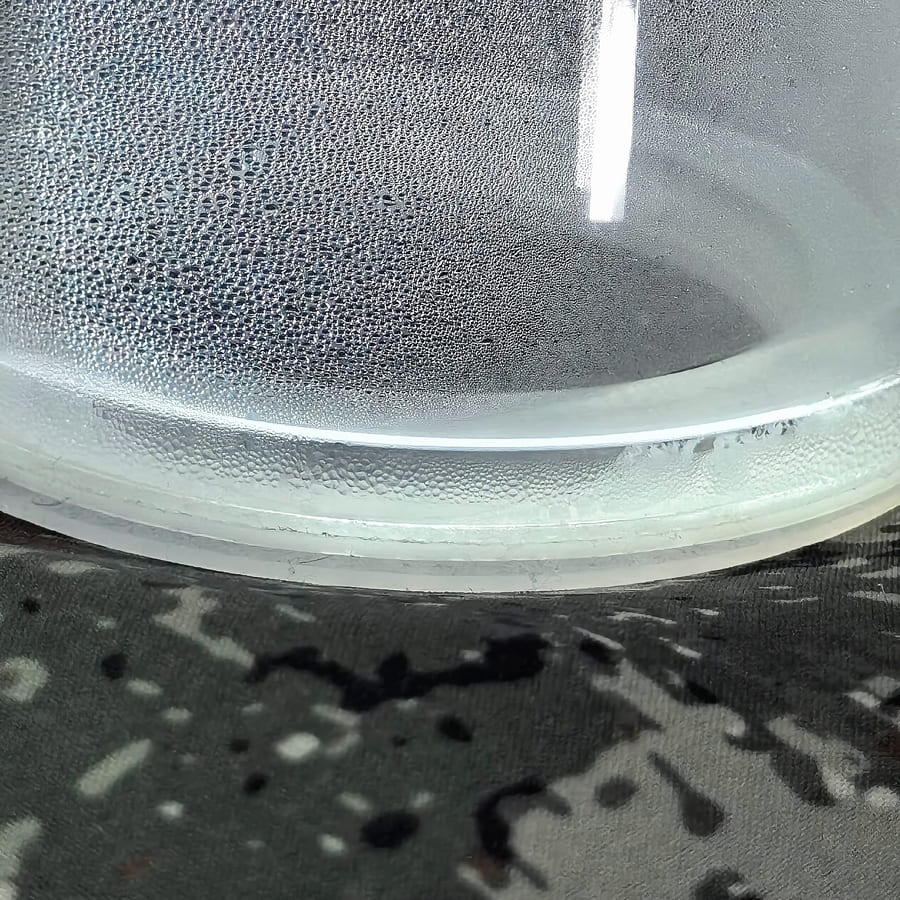
Light Weather Protection That Makes Sense

What Products Can We Do For You

You do not just need a factory that can make garments. You need a development partner who can help you align materials, construction, trims, and product positioning before bulk. That is how a product becomes more commercially usable and more relevant to the end user.

Key Features

  • Clearer product decisions before bulk production
  • Material and trim recommendations based on real end use
  • OEM/ODM support that fits hunting and outdoor development needs
  • Custom branding, labels, trims, and packaging coordination
  • Third-party testing and inspection support when needed
  • Built for brands that need both development thinking and production execution
Browse Hi-nect's full solutions

The Technology Behind Our Softshell Jackets

Stretch Construction for Unrestricted Movement

A good softshell should move with the body more naturally than a traditional shell. If your customer is hiking, climbing, stalking, or moving continuously in the field, stretch is not just about comfort - it changes how wearable, premium, and useful the jacket feels over time.

Breathability for High-Output Outdoor Use

One of the main reasons to choose a softshell is to avoid the sealed-off feel that fully waterproof shells can create during active use. If comfort during motion matters, breathability becomes a product decision, not just a fabric feature or a number on a spec sheet.

DWR Protection and Quiet Surface Performance

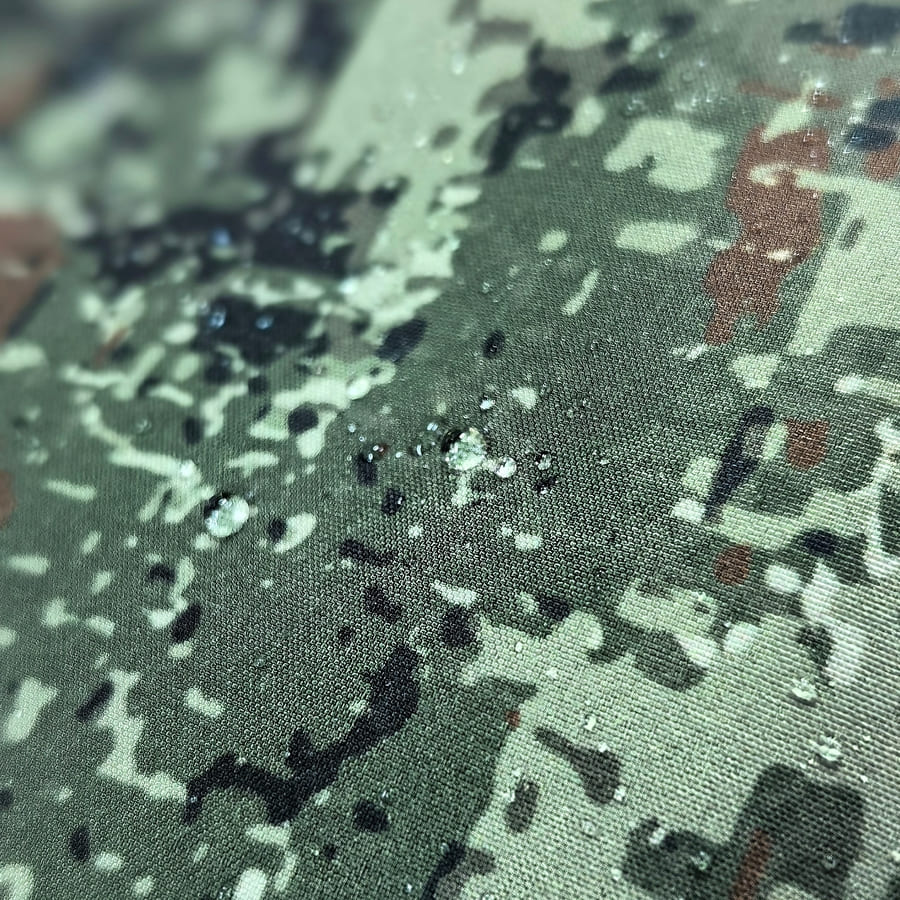
Softshell jackets are often used in cool, dry, or changing weather where light protection is needed without the bulk of a full rain shell. A DWR finish helps resist light rain and snow, while quieter face fabrics improve comfort and usability for hunting-oriented products. The goal is not maximum waterproofing at any cost, but the right balance between protection, feel, sound, and field performance.

Quality Control & Certifications

Quality problems rarely start at final inspection. They usually start earlier - with unclear specifications, wrong trim choices, unstable materials, or sample-stage decisions that were never properly validated. Our role is to help you reduce those risks before bulk, not simply discover them after production.

Material Sourcing & Testing

We source materials based on target use, price level, and performance direction. When required, we also support third-party testing so brands can validate the materials before bulk decisions are locked.

In-line & Final QC

Our QC team monitors workmanship during production and performs final checks before shipment, helping reduce avoidable mismatches between approved samples and bulk goods.

Certified Processes

Our factory follows structured compliance and production processes, including BSCI-audited operations, to support stable manufacturing standards.

Third-party Audits

If your brand works with SGS, Intertek, or another inspection partner, we can support third-party checks before shipment.

Why Hunting & Outdoor Brands Work with Hi-nect on Softshell Development

Hi-nect is a better fit for brands that need more than basic production support. If you are still shaping materials, trims, fit, or construction, sample-stage support matters more than factory size - because that is where the final product direction is really decided.

  • Development Support Where It Matters Most - We help you make clearer product decisions while sampling changes are still possible.
  • More Practical MOQ Discussions - Launch styles can be discussed more flexibly depending on material and trim direction.
  • From Sample Refinement to Bulk Execution - We help keep the product direction consistent from prototype through shipment.
  • Built for Hunting & Outdoor Categories - Our work is focused on performance-driven products, not generic fashion programs.
  • Get a Quote
Hi-nect Factory Door

A Seamless Process from Vision to Delivery

Share Your Vision

Define Product Goals

Clarify the target user, use case, price level, and the product goals that matter most before development starts.

Sample Development

Build Sample Direction

Align fabric, trims, fit, and construction details so the sample can support clearer product decisions.

Production

Confirm Bulk Details

Lock key points like materials, workmanship, sizing, and timeline before production moves into bulk.

Delivery

Inspect and Deliver

Check finished goods carefully before shipment to reduce avoidable gaps between samples and bulk output.

FAQ – Frequently Asked Questions

These are some of the questions brands most often ask when they are still deciding materials, fit, trims, sampling priorities, and bulk timing. If your project needs a more specific answer, talk with us directly.

What is a softshell jacket best used for?

A softshell jacket is usually best for active outdoor use where breathability, stretch, and comfort matter more than full storm-level waterproofness. It works best when the user needs freedom of movement, lower noise, and light weather protection without sacrificing wear comfort.

Can you customize pocket layouts, cuffs, hoods, and trims for softshell development?

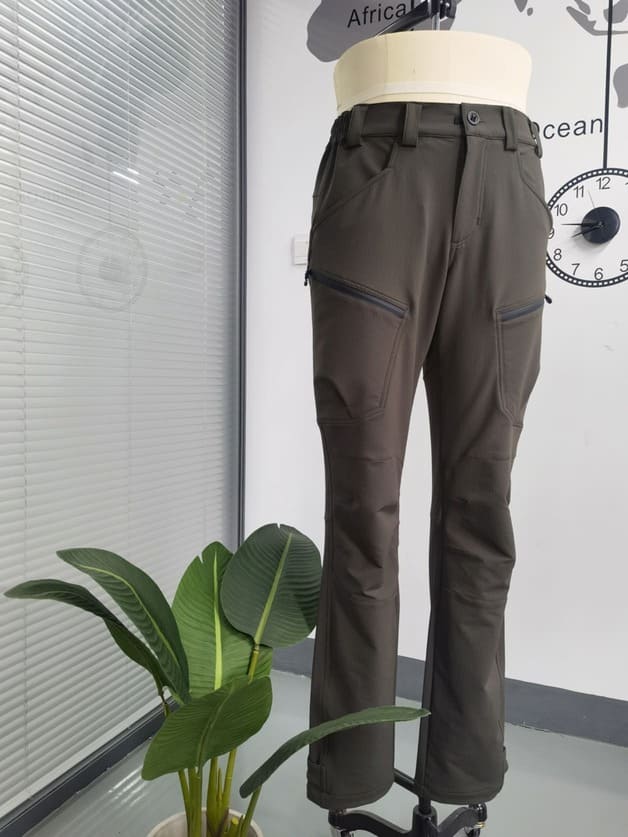
Yes. You can customize fit, pocket layout, hood construction, cuffs, adjusters, zipper details, logo applications, and branding elements. The goal is to make sure the jacket is not only functional, but also aligned with your product direction and end-user expectations.

What is your MOQ (Minimum Order Quantity)?

Our usual MOQ is 300-500 pieces per style and color. For new developments or launch styles, we can discuss small trial orders, with the lowest MOQ at 200 pieces per style.

How long does sampling & bulk production take?

Samples can be completed as fast as 10 days, typically within 2–3 weeks. Bulk production lead time is around 60-90 days after sample approval and deposit.

Do you offer fabric sourcing & recommendations?

Yes! We work closely with fabric mills and can recommend suitable fabrics, trims, and construction to match your requirements and target costs.

How do you ensure quality control?

Our trained QC team performs real-time checks throughout production and 100% final inspections before shipment. Third-party inspections (e.g., SGS, Intertek) are supported.

Do you protect my designs & confidentiality?

Absolutely. We sign NDAs upon request and take strict measures to safeguard your intellectual property.

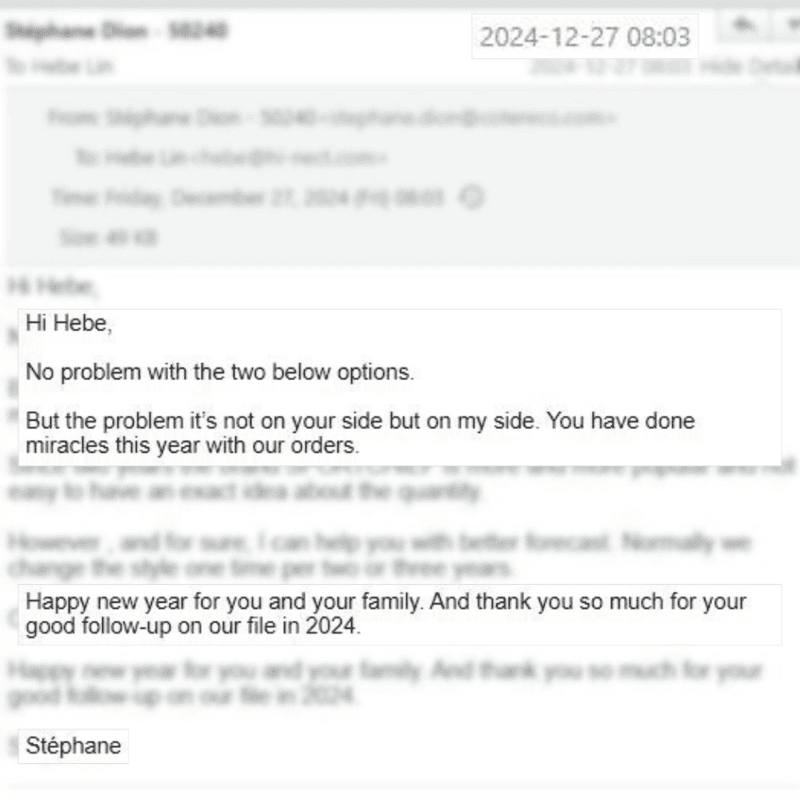
Happy Clients Since 2015

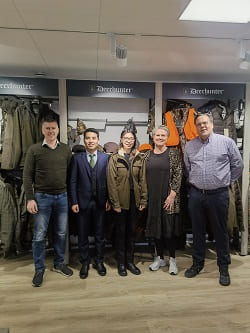
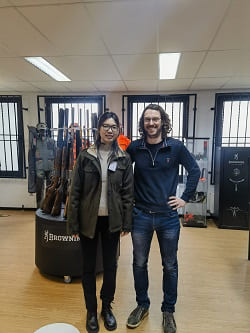
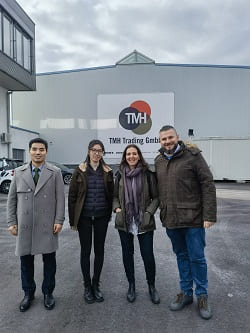
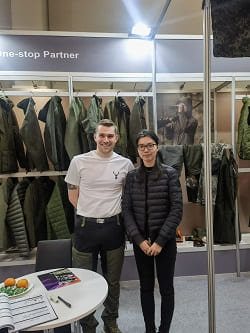
Client partnership
Client partnership
Client partnership
Client partnership
Client partnership
Client partnership
Client partnership
Client partnership
Client partnership
Client partnership
Client partnership
Client partnership
Client partnership
Client partnership
Client partnership
Client partnership
Client partnership
Client partnership
Hi-nect facility entrance
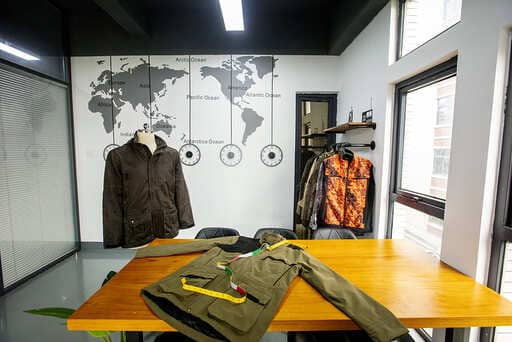
Hi-nect Design Department

HI-NECT STORY

Built on Innovation, Designed for Success

Founded in 2015, Hi-nect was created by industry veterans who recognized a gap: brands needed performance-driven, innovative hunting apparel, but lacked agile suppliers to deliver.

We decided to break traditional supplier limitations by providing not just products, but strategic R&D and brand-specific solutions.

Key Milestones

2015 – Hi-nect founded, focusing on outdoor apparel R&D

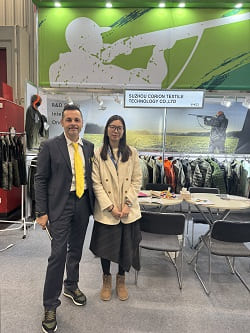
2018 – Partnered with Corion-tex to develop exclusive fabrics

2021 – Built Nanping production facility for modernized manufacturing

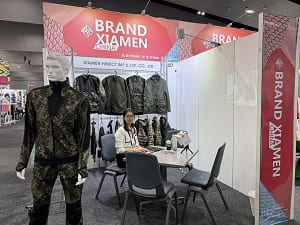
2023 – Established X-Joy Xiamen independent R&D studio for confidential, small-batch innovations

Our Certifications

We are proud to maintain globally recognized certifications and testing reports. Click each certificate to view in full detail.

BSCI Certificate
OEKO-TEX 100
GRS Certificate
SGS Fabric Test
SGS Final Inspection
Hi-nect Building

BEHIND HI-NECT'S SUCCESS

Meet The Team

Hebe Lin

Hebe Lin

Founder & Product Expert

Hunting apparel expert since 2008. Leading Hi-nect's vision with innovation and trust.

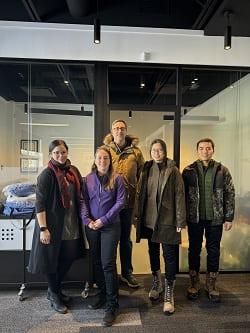
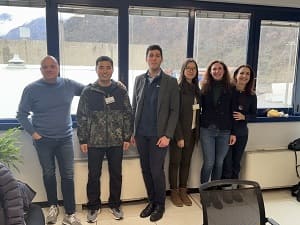
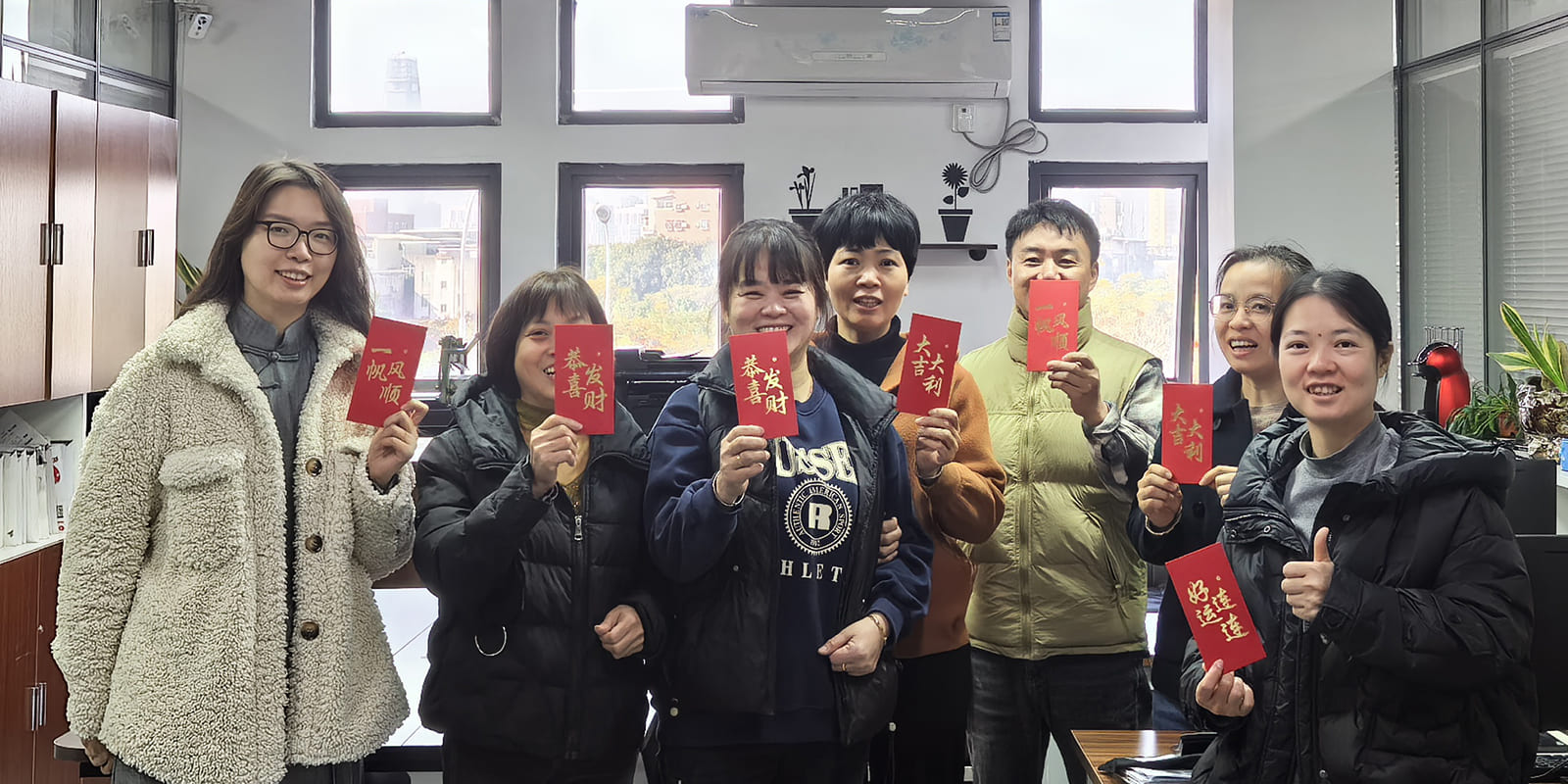
Hi-nect Team

Our Team

Over 20 years of hunting gear manufacturing expertise

The team that powers your success. Ensuring precision and quality in every product. We're committed to excellence in every detail, from design to delivery.

Hardshell vs. Softshell: Which One Makes More Sense for Your Brand?

Article Summary

The right answer depends on the intended user, activity level, weather exposure, and product role. A hardshell is built for full weather protection. A softshell is often the better choice when comfort, mobility, breathability, and lower noise matter more in real field use.

Why this choice matters

When you compare hardshells and softshells, the real question is not which one sounds more technical. The better question is which one fits the way your customer will actually move, wear, and rely on the product in the conditions it is meant for.

When a hardshell makes more sense

A hardshell is the better choice when the jacket must deliver full weather protection in sustained rain, wet snow, or harsher mountain conditions. If the product is meant to be a protective outer shell, seam sealing and stronger waterproof construction matter more than stretch or everyday comfort.

When a softshell makes more sense

A softshell is often the stronger choice for active outdoor use where breathability, freedom of movement, and wear comfort matter more than full storm protection. This is why many hiking, active hunting, and shoulder-season products rely on softshell construction. A well-developed softshell usually feels quieter, moves more naturally, and performs better during continuous motion.

What brands often get wrong

One common mistake is trying to make a softshell behave like a waterproof shell. That usually leads to a jacket that feels too stiff, too heavy, or too compromised. Another mistake is choosing a shell only by surface specs, without thinking about noise, handfeel, stretch, and how the product will actually be used in the field.

The better decision framework

If you are deciding between a protective shell and a more wearable active outer layer, the key is not which category sounds stronger on paper. It is which one fits the real conditions your customer is buying for.

Read the full comparison: Hardshell vs. Softshell for Hunting & Outdoor Brands

Let’s Build Your Custom Softshell Jackets Together
Ready to move your product from idea to a bulk-ready direction? Talk with Hi-nect about your use case, sample priorities, and the decisions that should be made before production starts.

Get a Quote