
Hardshell vs. Softshell for Hunting & Outdoor Brands: How to Choose the Right Direction
📌 Table of Contents
When brands plan an outerwear line, the hardshell versus softshell decision is often framed as a question of which category is more technical, more premium, or more advanced. For hunting and outdoor brands, that is usually the wrong starting point.
The better question is more practical: which one fits the way the end user will actually move, wear, and rely on the product in the conditions it is meant for?
A jacket can look impressive on a spec sheet and still be the wrong product. It can also be technically strong in one direction while failing in comfort, wearability, noise level, or real field relevance. That is why choosing between hardshell and softshell should never be treated as a fabric decision alone. It is also a product-line decision, a user decision, and often a commercial decision.
Short Answer
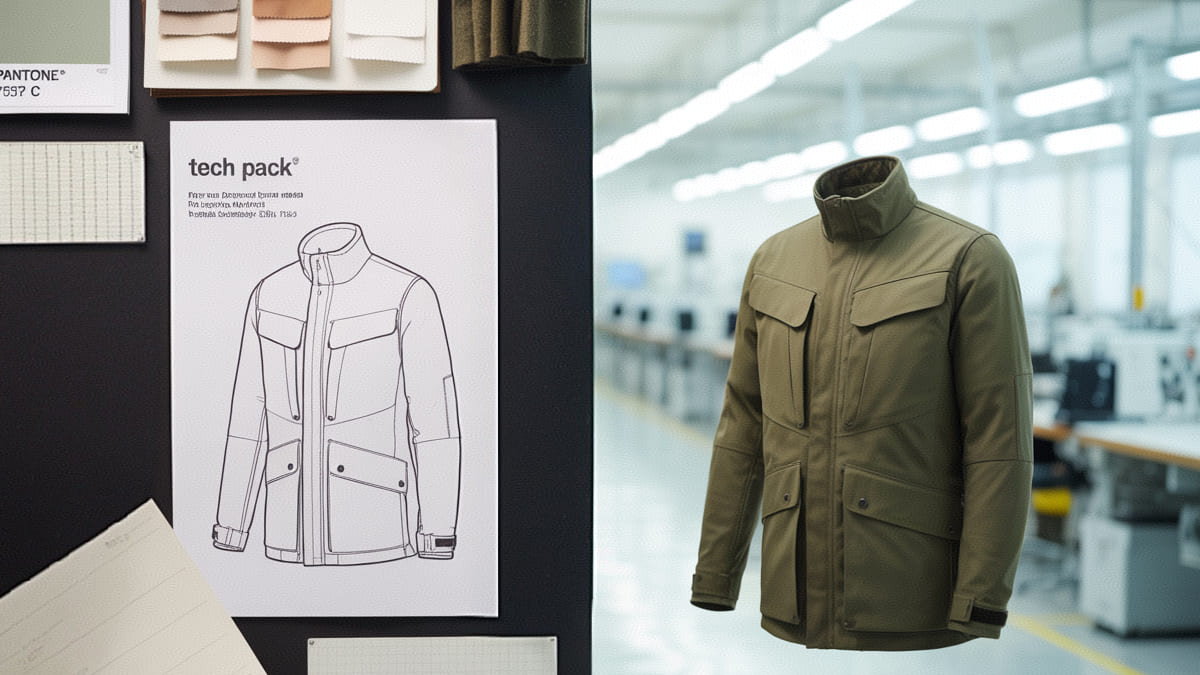
A hardshell makes more sense when the product must deliver full weather protection in sustained rain, wet snow, and harsher mountain conditions. It is usually the right direction when waterproof performance, seam sealing, and true shell-level protection matter more than stretch, handfeel, or all-day comfort in motion.
A softshell makes more sense when the product is built for active movement, lower noise, better breathability, and more natural wear comfort. It is often the stronger choice for hiking, active hunting, shoulder-season use, and situations where the customer will spend more time moving in the garment than standing still in heavy weather.
For brands, the better choice is not the one that sounds stronger in marketing. It is the one that matches the real use case, the target customer, and the role the product needs to play in the line.
Why This Choice Matters More Than Many Brands Expect
Choosing between hardshell and softshell affects much more than the outer fabric. It changes:
- the level of weather protection the customer expects
- the fit logic and mobility requirements
- trim and construction choices
- garment weight and handfeel
- noise level in real use
- the product’s role in the overall collection
- sample-stage development priorities
- cost, complexity, and often MOQ direction
This is one reason brands lose time in development. They start by discussing membranes, waterproof numbers, or fabric weights before they have clearly defined the product role. When that happens, later sample rounds become reactive. The team is no longer shaping the product with a clear direction; it is trying to correct a category decision that was never fully settled in the beginning.
That is also why development support matters early. The biggest mistakes in shell development usually do not happen in bulk. They happen much earlier, when the product direction still looks flexible but the wrong assumptions are already being built into the first sample. That same principle is central to From Prototype to Production: Accelerating Your Hunting Gear Development (Internal).
What a Hardshell Jacket Is Really For
A hardshell should be understood as a protective outer shell first. Its job is not to feel especially soft, stretchy, or natural in motion. Its job is to protect the user when weather exposure is serious enough that comfort becomes secondary to protection.
Full Weather Protection
A hardshell is generally the right category when the product needs to perform in:
- sustained rain
- wet snow
- wind-driven exposure
- alpine or harsher mountain conditions
- prolonged bad-weather use
In these environments, the user expects the garment to behave as a real outer barrier. That means entry points matter. Seam sealing matters. Construction details matter. Zipper choice matters. Hood design matters. The shell is judged not only by fabric claims, but by how the entire garment system performs when weather gets worse.
Garment-System Logic Matters More Than Fabric Alone
One of the biggest mistakes brands make is treating a hardshell like a fabric story. A membrane alone does not make a jacket a good hardshell. A strong hardshell is the result of a complete construction system that usually includes:
- laminated waterproof fabric
- seam sealing
- controlled entry points
- appropriate zipper and flap decisions
- a fit that works with layering
- a hood and cuff system that helps maintain protection in use
This is why a product can look strong on paper and still feel disappointing in real use. If the construction logic is not supporting the shell role, the user will feel that mismatch quickly.
If your brand is developing a more protective weather-defense shell, our 3-Layer Seam-Sealed Jackets (Internal) page is the more relevant product-side reference. For a deeper fabric-side view, see Waterproof Fabric Guide: A Deep Dive for Hunting Brands (Internal).
What the End User Usually Feels
A hardshell usually feels:
- more protective
- more weather-focused
- more structured
- less forgiving in handfeel
- often louder than a softshell
- less natural during continuous movement if the balance is wrong
None of this is automatically a flaw. It only becomes a flaw when the product is built for the wrong use case.
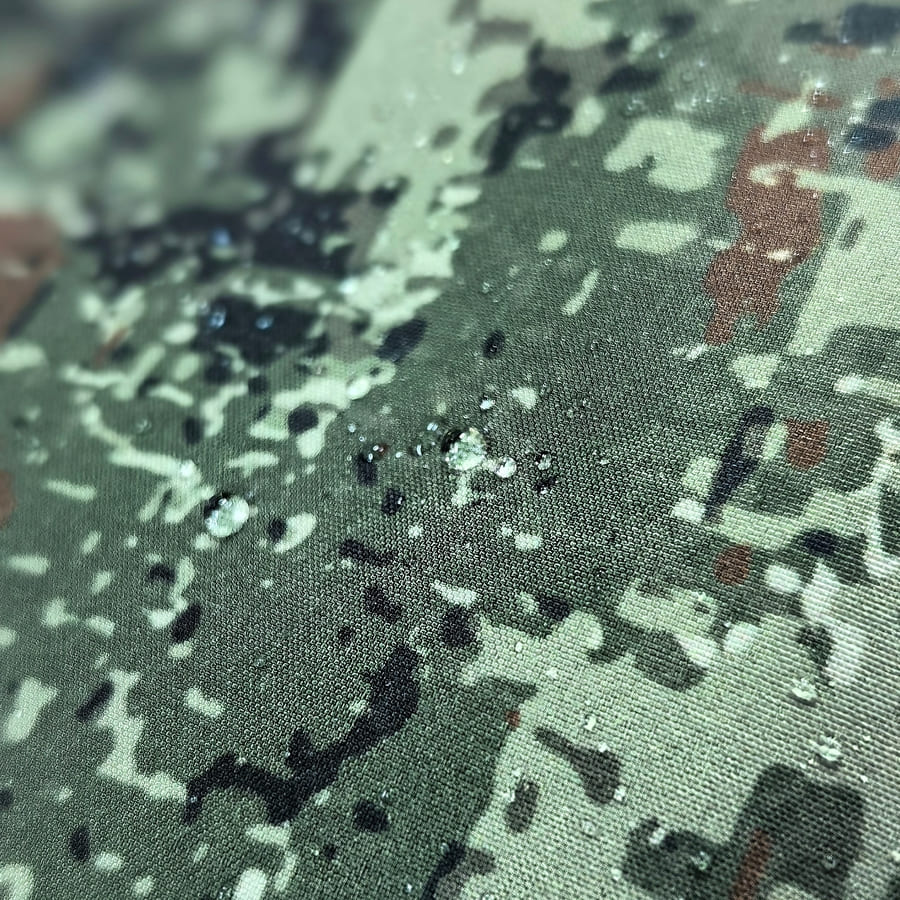
If the user is out in real storm exposure, those trade-offs make sense. If the user is moving constantly in mild but changing conditions, those same trade-offs can become the reason the jacket feels overbuilt.
What a Softshell Jacket Is Really For
A softshell should be understood as a movement-first outer layer. It is not meant to replace a true protective shell in every condition. It is meant to serve the situations where freedom of movement, breathability, quietness, and wear comfort matter more than full storm-level waterproofness.
Mobility and Breathability Come First
Softshells usually make more sense when the user is:
- hiking actively
- stalking or moving through mixed terrain
- operating in shoulder seasons
- wearing the product for long periods in variable conditions
- prioritizing comfort and mobility over full storm protection
In this role, stretch and breathability are not side benefits. They are often the category’s main reason for existing.
Why Softshell Often Feels Better in Real Use
A well-balanced softshell usually feels:
- quieter
- more natural in motion
- less restrictive
- less sealed-off
- easier to wear continuously
- more comfortable in mixed-activity conditions
This matters even more in hunting-oriented products. In many cases, the customer is not asking for the maximum possible spec. They are asking for the best balance between protection, comfort, and field realism. A jacket that technically “protects more” but feels stiff, noisy, and tiring to wear may still be the worse product.
For a direct example of how this category can be positioned on a solution page, see Softshell Jackets (Internal).
Where Brands Usually Misposition Softshell
The most common softshell mistake is trying to make it behave like a hardshell. That often leads to products that feel:
- too stiff
- too heavy
- too compromised
- not breathable enough for their intended use
- not protective enough to replace a real shell
Softshells become much stronger products when the brand stops asking them to be “almost a hardshell” and starts asking them to be excellent at what softshells are actually meant to do.
Hardshell vs. Softshell: The Differences That Actually Matter
The comparison is not just about waterproofness. For brands, the differences that matter most usually show up in product role, user feel, and category logic.
Weather Protection
A hardshell is built for higher exposure and more sustained weather protection. A softshell is built for lighter, more flexible protection in mixed conditions.
Breathability
Softshells usually have the advantage when the user is moving more and overheating is a real concern. Hardshells can perform well, but their protective shell logic often makes the comfort balance more sensitive.
Freedom of Movement
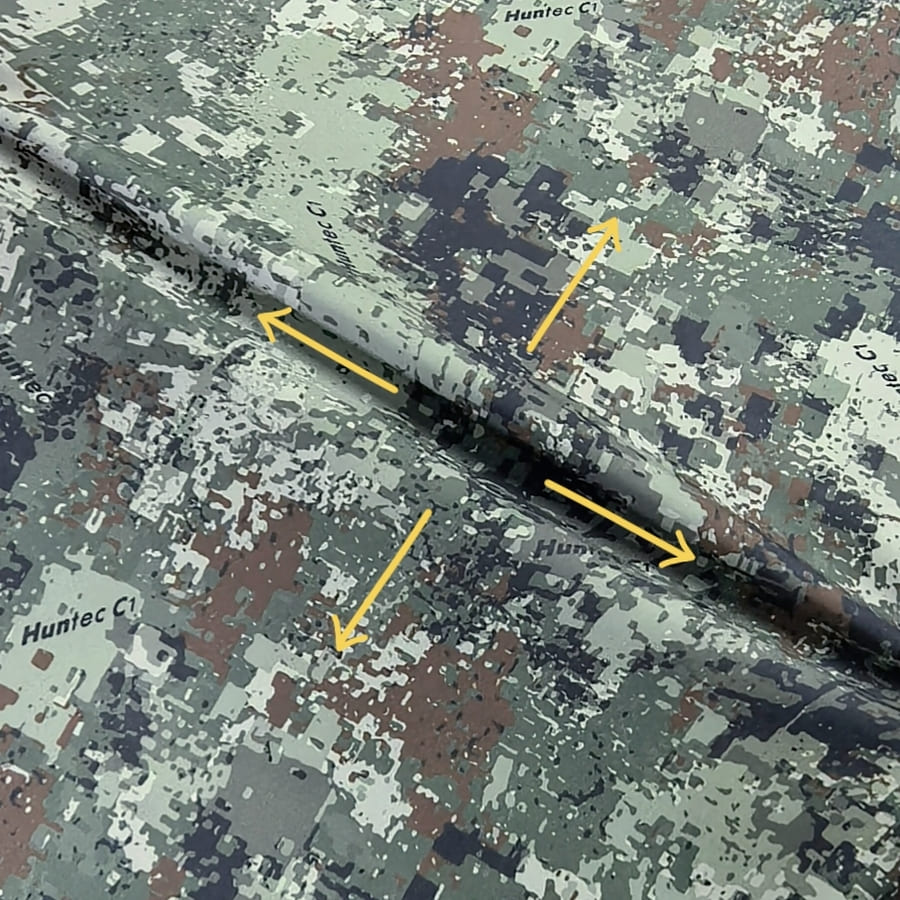
Softshells usually win here. Stretch, softer handfeel, and more natural flex make them easier to wear during long active use.
Noise Level
For hunting products, this matters more than many brands admit. Softshells usually offer a quieter face and a more field-friendly sound profile. A hardshell can still make sense when protection matters more, but sound becomes part of the trade-off.
Wear Comfort
If the product is meant to be worn for extended periods in motion, softshell often has the advantage. If it is meant to protect in more serious weather, hardshell can still be the correct category even if comfort is less natural.
Product-Line Role
A hardshell usually belongs in the line as a true protective shell. A softshell usually belongs in the line as a more wearable, active outer layer. Problems begin when one category is forced to do the other category’s job.
Development Complexity
A hardshell often brings more complexity around waterproof construction, seam sealing, and garment-system details. A softshell may appear simpler, but it requires strong judgment around balance: stretch, handfeel, DWR, quietness, and structure must all work together.
When a Hardshell Makes More Sense for a Brand
A hardshell usually makes more sense when:
- your customer expects real storm protection
- the product needs to function as a primary outer shell
- your line needs a clearly technical weather-protection piece
- waterproof construction and seam sealing are central to the product promise
- the product story is built around exposure, protection, and shell performance
A hardshell can also make sense when the brand is intentionally building a more serious, more weather-defensive outerwear identity.
When a Softshell Makes More Sense for a Brand
A softshell usually makes more sense when:
- your customer moves continuously in the garment
- comfort matters as much as protection
- lower noise matters
- stretch and mobility are important product priorities
- the jacket is meant for active use in variable weather
- the line needs a more versatile, wearable shell layer
This is especially true for products intended for:
- shoulder-season use
- mixed-terrain hunting
- active hiking and field movement
- all-day wear where overheating matters
- customers who value comfort and realism over maximum weather specs
What Brands Usually Get Wrong When Choosing Between Them
Choosing by Spec Sheet Instead of Real Use
A spec sheet can help narrow options, but it should never make the category decision by itself. Brands that choose by numbers alone often end up with a product that sounds strong but feels wrong.
Trying to Make a Softshell Behave Like a Hardshell
This is probably the most common mistake. The result is often a jacket that loses the best softshell qualities without ever becoming a true shell-level protector.
Ignoring Noise and Handfeel
For hunting products, these are not side details. Noise level and surface feel strongly affect how the end user experiences the product. A technically strong jacket that sounds wrong or feels wrong can still miss the product brief.
Overbuilding the Product Too Early
Some brands assume the “more technical” path is automatically the safer one. But overbuilt products often become harder to wear, harder to sell, and harder to position correctly.
Forgetting the Product-Line Role
A good shell decision is rarely made in isolation. The question is not only “Is this jacket good?” It is also “What role does this jacket need to play in the line?”
How Brands Should Decide Before Sampling Starts
Before the first sample is made, a brand should try to clarify:
- Who is the real end user?
- How active is that user while wearing the garment?
- What kind of weather exposure is realistic?
- Does lower noise matter?
- Is this a true protective outer shell or a more wearable active layer?
- Will the user prioritize waterproof protection, or comfort in motion?
- Is this product meant to be the hero shell, or a supporting style?
- What compromises are acceptable, and which ones are not?
These questions matter because once the first sample is built, the product direction starts becoming physical. If the category choice was vague at the beginning, later sample rounds become much harder to control.
This is also where a development-oriented manufacturer can genuinely help. The best support usually happens before the product becomes expensive to correct. That is part of the value behind Your Expert Hunting Apparel Manufacturer & Development Partner (Internal).
A Practical Decision Framework for Hunting & Outdoor Brands
If your product needs:
- prolonged rain protection
- full seam-sealed shell logic
- a true weather-defense role
- stronger shell positioning in the line
then hardshell is usually the better direction.
If your product needs:
- better comfort in motion
- lower noise
- greater mobility
- more natural wearability in variable conditions
then softshell is usually the better direction.
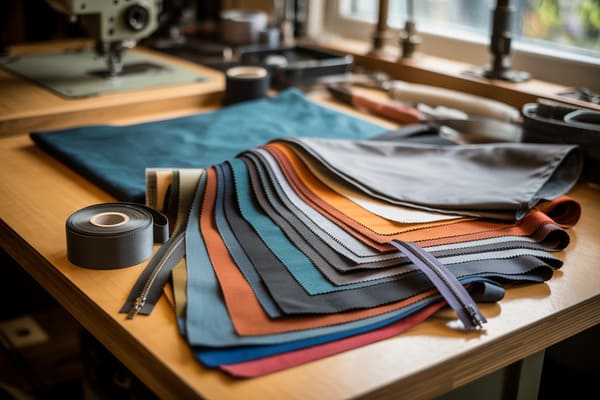
If your line needs both, the answer is not to force one category to cover everything. The better answer is to define each role clearly and let each product do its own job well.
Frequently Asked Questions
What is the main difference between hardshell and softshell?
A hardshell is built primarily for weather protection. A softshell is built primarily for mobility, comfort, and breathable active use.
Is a softshell good enough for hunting in wet weather?
It can be, depending on the exposure level and the product role. For lighter rain, changing conditions, and more active use, a softshell may be the better choice. For sustained wet exposure, a true shell usually makes more sense.
When should a brand choose hardshell over softshell?
When the product needs to function as a real protective shell in harsh weather, prolonged rain, or more technical conditions.
Can a softshell be waterproof?
A softshell can offer light weather protection, but it is usually not the right category if the product needs full shell-level waterproof performance.
Why do some brands get softshell development wrong?
Because they try to make it behave like a hardshell, or they choose the product too heavily by spec sheet without thinking about comfort, sound, and real movement.
Can Hi-nect help compare fabrics and construction before sampling?
Yes. This is where development support is often most useful—before materials, trims, and category direction become expensive to change. If you are evaluating factories more broadly, How to Pick the Best Hunting Clothing Manufacturer (Internal) is the stronger next read.
Final Thoughts
Neither hardshell nor softshell is “better” in all cases. The better choice depends on product role, user behavior, weather exposure, and the kind of experience your brand wants the customer to have.
Brands usually make better shell decisions when they stop asking which category sounds stronger and start asking which one fits real use better. When that decision is made clearly before sampling starts, development becomes faster, corrections become more useful, and the final product usually becomes more commercially relevant.
Selected Internal Links
- Softshell Jackets (Internal)
- 3-Layer Seam-Sealed Jackets (Internal)
- Waterproof Fabric Guide: A Deep Dive for Hunting Brands (Internal)
- From Prototype to Production: Accelerating Your Hunting Gear Development (Internal)
- How to Pick the Best Hunting Clothing Manufacturer (Internal)
- Your Expert Hunting Apparel Manufacturer & Development Partner (Internal)
References
[1] Gore-Tex (External) — useful for general background on waterproof-breathable membrane structure, DWR, and why seam taping matters in shell garments.
[2] Windstopper (External) — useful for general background on windproof breathable laminates often associated with softshell-style use and the trade-off between weather protection and higher-output comfort.
[3] The Big Question: What the hell is softshell? (External) — useful as a broad category explainer for how softshell is positioned in outdoor use.
Ready to elevate your outdoor apparel line?
Let’s talk. We offer flexible MOQ, fast samples, and expert guidance — get your quote today.