
The Ultimate Guide to Women's Hunting Clothes for 2026

📌 Table of Contents
For years, women’s hunting clothing sat in an awkward place in the market. Too many products were still based on men’s patterns, then resized, recolored, and lightly restyled. That approach might have created more SKUs, but it rarely created better gear.
That is changing.
In my work as a manufacturer, I see women’s hunting apparel less as a niche add-on and more as one of the clearest tests of whether a brand truly understands product development. If a team can build a women’s line that moves well, layers well, stays quiet, protects against weather, and still feels right over long hours in the field, it usually means they are thinking correctly about the product from the start.
That is also why this topic matters to brands, not only to end users. The women’s hunting category is no longer about offering a smaller version of men’s gear. It is about understanding how women move, carry equipment, regulate temperature, access pockets, layer in cold weather, and respond to fit issues over time. Brands that take this seriously can build much stronger loyalty. Brands that do not usually end up with products that look acceptable online but underperform in the field.
This guide is written with that in mind. On the surface, it is about women’s hunting clothes for 2026. Underneath, it is also about what brands and product teams should learn from the category: what female hunters actually need, what brands still get wrong, what trends matter, and what it takes to turn those insights into products that deserve a place in the market.
Short Answer
The best women’s hunting clothes in 2026 are not simply lighter, more colorful, or smaller versions of men’s products. The strongest products are built around women-specific fit, practical layering, quiet movement, weather protection, and field-tested comfort. For brands, that means better pattern logic, more thoughtful materials, stronger fit testing, and a manufacturing partner that can think from the user backward rather than only from the production line forward.
1. Why Women’s Hunting Clothes Matter More Than Ever
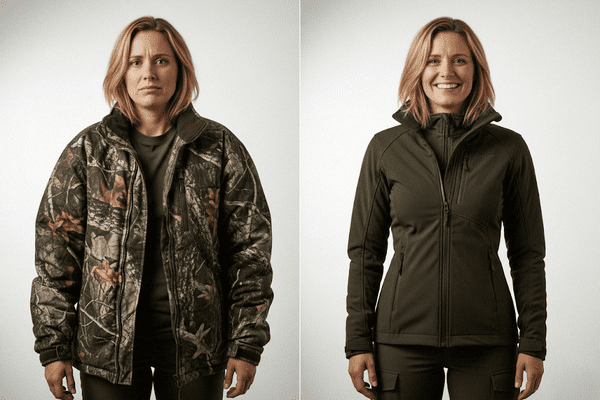
Women’s hunting apparel is no longer an afterthought in the market. It has become one of the clearest growth areas in hunting and outdoor gear, but growth alone is not the real story. The bigger shift is that the category is becoming more technically demanding.
Older approaches often assumed that shrinking a men’s silhouette was enough. In practice, that led to predictable problems: jackets that were too broad in the shoulders, too restrictive through the hips, too bulky through the torso, or too awkward to layer in cold weather. Pants often missed the mark on rise, waist shape, hip room, and articulation. Packs and accessories had the same problem. They looked usable on paper and became frustrating in the field.
That is why women-specific design now matters so much. Bass Pro’s buying guide makes this point in practical terms by focusing on the fit differences women actually notice in jackets, pants, and systems, rather than treating the category as a cosmetic variation of men’s gear1.
For brands, this is where the opportunity becomes strategic. A well-developed women’s line is not just another product group. It shows whether a brand understands real user needs well enough to translate them into pattern work, layering logic, trim selection, and technical construction.
What female hunters actually need is not mysterious, but it is specific:
- a torso and shoulder fit that works without pulling or excess bulk
- room through the hips without losing shape through the waist
- mobility in elbows, knees, and seat during crouching, climbing, and drawing
- quiet fabrics and low-noise construction for close-range situations
- pocket placement that still works with gloves, packs, and layered systems
- warmth without unnecessary bulk, especially in late-season use
- shells and pants that protect without feeling stiff or oversized
Once a brand understands these needs clearly, women’s hunting apparel stops being a “special line” and becomes what it should be: good product development.
2. What Brands Still Get Wrong
The biggest mistakes in women’s hunting clothes are rarely dramatic. More often, they are the result of small decisions that ignore how the garment will actually be worn.
The first mistake is still the most common: treating women’s products as men’s products with adjusted measurements. This fails because fit is not only about size. It is about proportion, movement, and where the garment needs to hold or release the body during use.
The second mistake is prioritizing visual differentiation before functional differentiation. A new colorway or a more feminine line in the stitching may look like progress, but if the garment still bunches under a pack belt, restricts shoulder movement, or rides up during movement, the product will still fail the user.
The third mistake is underestimating how important layering comfort is to women’s hunting systems. A base layer, mid-layer, and shell can all be individually “good” and still work poorly together if the shapes are not coordinated.
The fourth mistake is designing from a showroom mindset instead of a field mindset. In hunting, details matter: how a cuff closes over a glove, how a hood turns with the head, whether a zipper rubs the chin, whether a pocket is reachable while carrying gear, whether insulation adds warmth without making a bow draw awkward.
These are not secondary issues. They are often the difference between a garment that gets repurchased and one that gets abandoned after one season.
From a manufacturing perspective, this is why women’s hunting apparel should be treated as a product problem to be solved, not a category to be “filled.” A factory that only asks for measurements and quantities is not enough. Brands need development support that understands why these issues matter before the garment reaches production.
3. Build the Right Women’s Hunting System
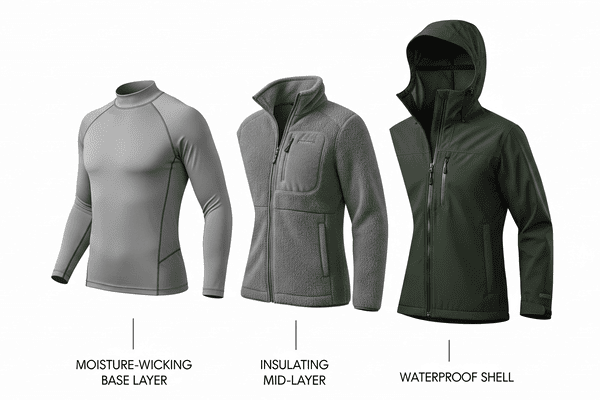
A strong women’s line is rarely built around one hero jacket alone. It works best as a system.
That system usually starts with three core layers:
Base layers
The base layer manages moisture and comfort. For women, this layer needs a close but non-restrictive fit, enough torso length to stay in place, and softness that still holds up under repeated wear. Merino remains a strong option because of thermoregulation and odor control, while treated synthetics still make sense where durability and drying speed matter.
Mid-layers
Mid-layers are where warmth, breathability, and fit become more technical. Some hunts demand fleece or grid fleece that can keep working while active. Others need synthetic insulation or down for static late-season use. The important point is not the category name but the system logic: how the layer adds warmth without fighting the body or creating too much bulk under a shell.
Shells
A shell is where women’s hunting clothing often wins or fails. It needs to protect against wind and moisture, allow movement, and still feel usable in real field conditions. GearJunkie’s 2025 women’s jacket guide is useful here because it does not treat all jackets as equal. It separates late-season, early-season, rain, whitetail, and puffy options into different use cases, which is exactly how brands should think when building a line2.
The best systems are not always the most complicated ones. They are the ones where each layer has a clear job, the fit works in combination, and the end user does not have to “fight” the garments during a hunt.
For brands, that means the line plan should be built backward from use scenarios, not forward from merchandising alone.
4. 2026 Trends That Actually Matter
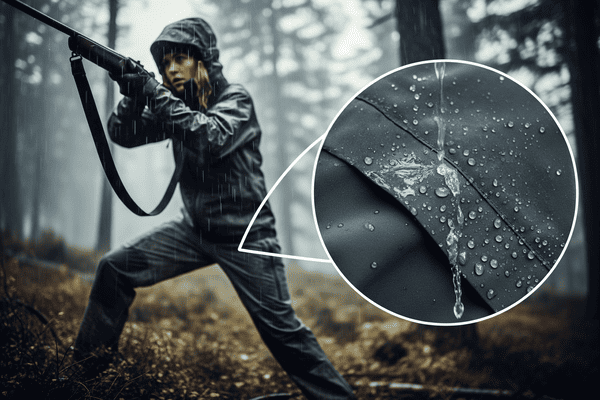
Every year brings a fresh batch of marketing language, but only some trends deserve product development attention. For 2026, the most relevant shifts in women’s hunting clothes are the ones that improve performance in real use.
Trend 1: Better women-specific pattern engineering
This is the most important trend. It includes cleaner torso shaping, improved shoulder geometry, better sleeve articulation, more realistic hip and waist balance, and more thoughtful grading through the size range. It is less visible in a product announcement than a new camo, but much more important in real use.
Trend 2: More warmth without more bulk
Bowhunter’s 2025 apparel overview pointed clearly toward late-season warmth as a key direction in hunting clothing, especially garments that protect in severe cold without sacrificing silence or mobility3. For women’s products, this matters even more. Warmth solutions that rely only on added volume tend to reduce comfort and movement. Better products now use more efficient insulation, zoned warmth, better body mapping, and improved shell design to keep warmth high and unnecessary bulk low.
Trend 3: Quieter technical outerwear
Quietness still matters, especially for bowhunting and close-range encounters. Brands are moving toward better brushed faces, quieter laminates, and more thoughtful trim selection. Quietness is rarely one material decision alone. It is the result of how fabrics, linings, zippers, pockets, and construction all work together.
Trend 4: Better ventilation and access
Women’s hunting products are becoming more thoughtful about practical details: vent zips that are easier to reach, cuffs that seal without fuss, pockets placed for actual use, and closures that work while layered. These details are not glamorous, but they make products more believable.
Trend 5: Size inclusivity with real fit logic
It is one thing to expand a size chart. It is another to preserve fit integrity across that range. Brands that do this well will have an advantage because they are not just offering more sizes; they are offering more usable products.
The common thread behind these trends is simple: they are meaningful because they improve the user experience. Brands should not chase 2026 because it sounds current. They should focus on the updates that genuinely make the line more wearable, more reliable, and easier to trust.
5. Category Recommendations That Actually Help
A useful guide should not stop at theory. The categories below help organize how women’s hunting clothes can be developed and evaluated.
Best overall direction
A versatile, women-specific softshell or hybrid jacket remains one of the smartest pieces in the category. It covers a wide range of hunts, layers well, and allows brands to balance mobility, comfort, and durability.
Best early-season setup
Early-season systems should stay breathable, quiet, and light. They usually depend more on fit, venting, and movement than on heavy insulation.
Best late-season system
Late-season pieces should prioritize warmth, silence, and weather resilience without becoming overly bulky. This is where bibs, parkas, and smarter insulation choices matter most.
Best rain protection
Women’s rain gear should not only hit waterproof and breathability targets. It also needs to move correctly, stay quiet enough for real hunting use, and avoid oversized patterning that creates noise and discomfort.
Best value category
Value in women’s hunting clothing is not the cheapest piece. It is the category where product choices deliver the most practical performance for the least unnecessary complexity.
Best size-inclusivity direction
The strongest size-inclusive products are the ones where grading, shaping, and mobility remain consistent instead of collapsing outside a narrow size band.
These categories are useful because they help brands organize product planning around actual demand instead of one broad “women’s outerwear” bucket. They also make it easier to test where a line is strongest and where it still needs development work.
6. Think Beyond Jackets and Pants
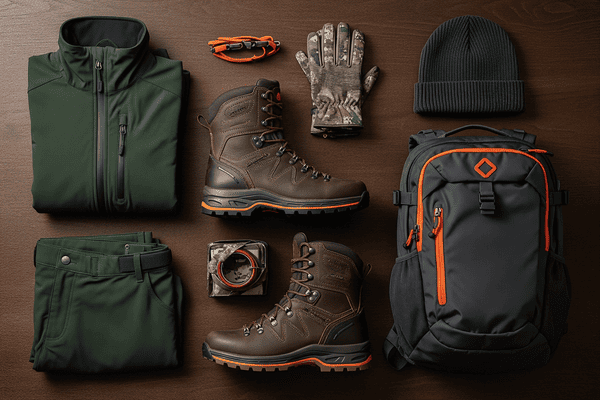
A mature women’s line should not stop with jackets and pants.
Once a brand begins to think correctly about women-specific product logic, that thinking should extend into the full system: packs, gloves, accessories, and complementary layers. Even when apparel remains the commercial center, the broader system affects how complete and credible the line feels.
This does not mean every brand must immediately launch every category. It means that a strong women’s line should at least understand the role these categories play:
- packs need women-specific harness and torso logic
- gloves need warmth and dexterity without clumsy bulk
- accessories should support the same weather, silence, and comfort logic as the main garments
- the entire line should feel like it belongs to one coherent field system
The brands that stand out in this category are often the ones that move beyond isolated SKUs and think in systems. Even when they launch gradually, the line still feels intentional.
7. What This Means for Brands and Product Teams
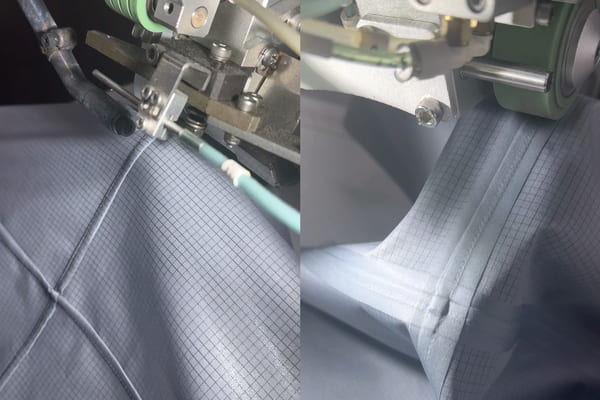
This is where the conversation comes back to manufacturing.
Women’s hunting apparel is a category where weak development decisions become visible very quickly. Poor fit, awkward layering, noisy shells, wrong insulation choices, or underdeveloped patterning are hard to hide because the user notices them immediately.
That is why brands entering or upgrading this category need more than a standard factory relationship. They need help translating user reality into product decisions.
In practice, that means a manufacturing partner should be able to support:
- women-specific pattern refinement
- realistic prototyping and fit feedback
- fabric and trim recommendations based on use, not only price
- construction choices that balance protection, quietness, and movement
- smaller-batch testing when the line is still being refined
- quality control that preserves fit and consistency from sample to bulk
This is the level at which Hi-nect is most useful. The value is not only that we can make the product. It is that we can work with brands from the user backward — from comfort, mobility, silence, and protection to the actual materials, structures, and production choices required to make those outcomes real.
That is what a strong women’s hunting line needs. It needs a partner that thinks like a product team, not only like a sewing floor.
Frequently Asked Questions
What makes women’s hunting clothes different from men’s gear?
The best women’s hunting clothes are built around different body proportions, movement patterns, layering comfort, and practical access needs. The difference should show up in the pattern, not only the size chart.
Should brands build women’s hunting lines as separate product systems?
In most cases, yes. The strongest lines treat women’s hunting apparel as a standalone category with its own fit logic, material decisions, and testing priorities rather than adapting men’s products.
What matters most in a women’s hunting jacket?
Fit through the shoulders, chest, waist, and hips matters first. After that, the jacket needs the right balance of mobility, weather protection, noise control, layering compatibility, and pocket access.
Are women’s hunting products mostly about style now?
No. The strongest market direction is toward better function, not only different aesthetics. Style has a role, but the category is moving toward more serious technical performance.
What should a brand look for in a manufacturing partner for women’s hunting apparel?
A brand should look for pattern capability, prototyping support, material knowledge, women-specific fit understanding, and a willingness to solve product problems instead of simply quoting production.
Conclusion
The women’s hunting category is no longer about catching up. It is about building better products from the start.
For 2026, the brands that will stand out are not the ones that simply add a women’s SKU or change the color palette. They will be the brands that understand what women actually need in the field, translate those needs into fit, layering, warmth, weather protection, and quietness, and then work with a manufacturing partner capable of turning those ideas into reliable products.
That is where the real opportunity is.
If a brand can treat women’s hunting apparel as a serious product-development category rather than a side extension, it can create gear that feels more credible, performs better, and earns stronger long-term loyalty. And if that brand has a manufacturing partner who can think with it from the user backward, the product line becomes much harder to copy and much easier to believe in.
References
[1] Women’s Hunting Clothing Buying Guide | Bass Pro Shops 1
[2] The Best Women’s Hunting Jackets of 2025 | GearJunkie 2
[3] New Hunting Clothing for 2025 | Bowhunter 3
[4] Your Expert Hunting Apparel Manufacturer & Development Partner 4
[5] From Prototype to Production: Accelerating Your Hunting Gear Development 5
[6] Lowering MOQs: A Guide for Hunting & Outdoor Brands 6
Ready to elevate your outdoor apparel line?
Let’s talk. We offer flexible MOQ, fast samples, and expert guidance — get your quote today.
You may also be interested in:

A Hunter's Guide to Waterproof & Breathable Fabric Science
A Hunter’s Guide to Waterproof & Breathable Fabric Science For hunting and outdoor brands, waterproof and breathable fabric is never

Lowering MOQs: A Practical Guide for Hunting & Outdoor Brands
For many hunting and outdoor brands, MOQ is not just a pricing issue. It is often the first real supply-chain
How Hunting Apparel Brands Move from Prototype to Production
For hunting and outdoor brands, moving from prototype to production is not just a technical process. It is the stage