Top 13 Hunting Apparel Manufacturers 2026
📌 Table of Contents
When buyers search for hunting apparel manufacturers, they are often looking for more than one thing at the same time. Some want to know which brands are setting the technical standard in the category. Others are trying to find OEM, ODM, or private-label partners that can help them build products under their own name.
In the hunting apparel space, that distinction matters.
The companies shaping this market are not all the same type of business. Some are brand-led leaders known for premium systems, advanced materials, and strong product identity. Others are development-minded manufacturing partners that help brands turn ideas into real products. If you are a hunting or outdoor brand, you need to understand both. This is exactly where a development-oriented manufacturing partner1 starts to matter.
This guide is built for that purpose. It is not just a list of recognizable names. It is a practical overview of the companies shaping hunting apparel in 2026, plus a framework for how brands should interpret them. Some are worth studying as market benchmarks. Some are useful as product-development references. A smaller number are relevant as actual manufacturing partners.
Short Answer
The top hunting apparel manufacturers for 2026 include brand-led leaders such as SITKA Gear2, KUIU3, First Lite4, Stone Glacier5, FORLOH6, and Kryptek7, along with development-oriented manufacturing partners such as Hi-nect8. For brands, the right choice depends on whether you are looking for a benchmark, a technical reference, a women’s-line case study, or a partner that can support OEM, ODM, low-MOQ development, and technical product execution.
Quick List: Top 13 Hunting Apparel Manufacturers for 2026
- SITKA Gear — The benchmark for systems-based technical hunting apparel.
- KUIU — A leader in ultralight, mountain-focused hunting systems.
- First Lite — A major force in merino-led layering and scent-conscious systems.
- Stone Glacier — Built for backcountry durability, load-hauling logic, and alpine hunting.
- FORLOH — American-made, innovation-focused, and strong on technical credibility.
- Kryptek — Tactical DNA, distinctive camouflage, and rugged function.
- Pnuma Outdoors — Durability-first positioning backed by a strong warranty promise.
- Duck Camp — A focused brand blending field performance with a lifestyle edge.
- Badlands — Pack heritage, reliability, and one of the strongest warranty signals in the space.
- DSG Outerwear — One of the clearest women-specific success stories in hunting apparel.
- Under Armour Hunt — Athletic performance logic applied to hunting gear.
- Canis — Materials-led, highly specialized, and built for demanding users.
- Hi-nect — An R&D-driven manufacturing and development partner for brands building their own hunting lines.
How We Selected These Companies
A list like this becomes shallow very quickly if it is built only on popularity. That is not how this one was put together.
The companies in this guide were selected through six practical lenses:
- Technical specialization — Does the company clearly stand for a specific type of performance, terrain, or product system?
- Product category strength — Is it genuinely strong in hunting apparel rather than merely adjacent to the category?
- Materials and construction credibility — Does it show real depth in shells, insulation, quiet-face fabrics, layering, or technical finishing?
- Influence on market direction — Does it shape how hunters and brands think about fit, layering, mobility, weather protection, and use-case design?
- Usefulness to brands — Is it valuable as a benchmark, a category reference, or a manufacturing/development partner?
- Relevance in 2026 — Does it still matter in the current conversation around premium hunting apparel, women’s lines, technical systems, or private-label development?
This guide is intentionally broader than a simple “best hunting brands” roundup. In this industry, the word manufacturer is often used loosely. Rather than ignore that, this guide makes the distinction clearer and more useful.
What Buyers Should Know Before Reading This List
If you are a brand founder, sourcing manager, or product developer, read this list differently from an end consumer.
A premium hunting brand can be an excellent benchmark without being a realistic production partner.
A company may be outstanding at selling technical hunting systems directly to consumers, yet offer no useful OEM or private-label capability. Another company may be far less visible to hunters, yet highly valuable to a brand because it can support prototyping, refine construction details, manage lower MOQs9, and help solve technical product problems during development10.
So before reading the 13 names below, keep three questions in mind:
- Am I studying this company as a market leader?
- Am I studying it as a product-development reference?
- Am I looking for a real manufacturing partner?
The answers will change what “best” actually means for your business.
The Top 13 Hunting Apparel Manufacturers
1. SITKA Gear
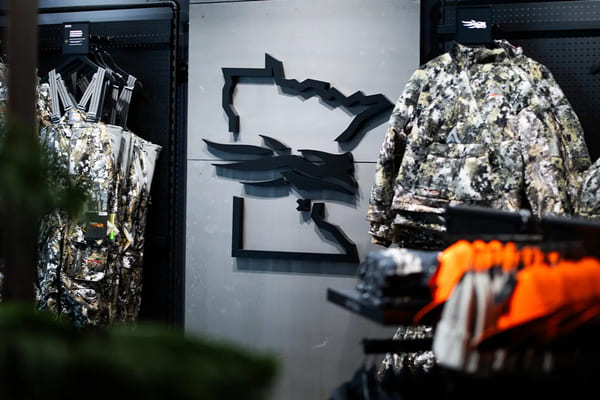
Type: Technical hunting brand
Best known for: Systems-based apparel, premium technical positioning, and category-defining product architecture
Why it stands out: SITKA helped make hunting apparel feel more like a performance system than a group of camouflage garments. Its strength lies in layering, weather protection, ergonomics, and pursuit-specific product families2.
Best fit for: Brands benchmarking premium positioning, technical layering logic, and category-specific system building.
2. KUIU
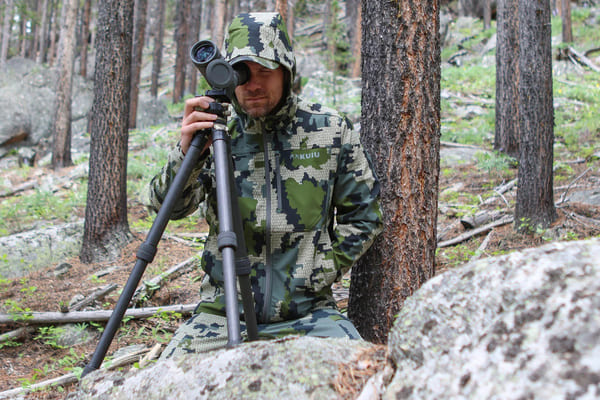
Type: Technical hunting brand
Best known for: Ultralight mountain hunting systems and DTC discipline
Why it stands out: KUIU built its reputation on weight reduction, mountain use, premium materials, and sharp direct-to-consumer positioning3.
Best fit for: Teams studying ultralight design, mountain-hunt segmentation, and performance-first positioning.
3. First Lite
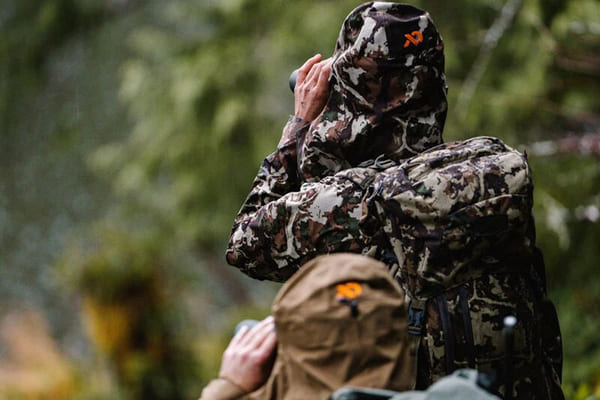
Type: Technical hunting brand
Best known for: Merino-based systems, odor-conscious layering, and quiet authority in the category
Why it stands out: First Lite turned a strong material story into a strong brand story. Merino is not just a fabric choice in its line; it is part of a broader approach to layering and field use4.
Best fit for: Brands studying base-layer strategy, material-led brand building, and natural-fiber positioning.
4. Stone Glacier
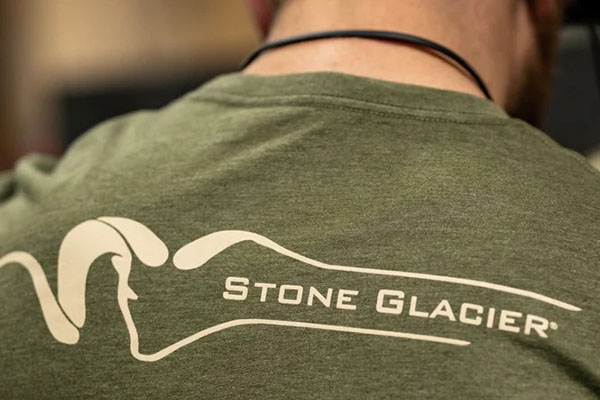
Type: Technical hunting brand
Best known for: Backcountry durability, pack-system logic, and alpine credibility
Why it stands out: Stone Glacier’s pack heritage still shapes how it thinks about apparel. Its products feel built around movement, load compatibility, and extended field use5.
Best fit for: Brands studying backcountry product logic, rugged minimalist systems, and mountain-focused design.
5. FORLOH
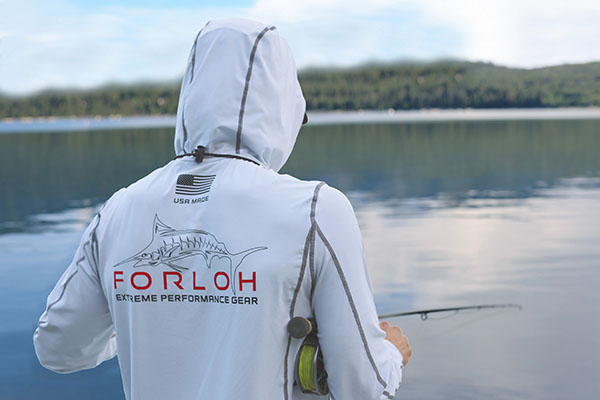
Type: Technical hunting brand
Best known for: American-made positioning and technology-forward product language
Why it stands out: FORLOH is a strong example of how domestic manufacturing, technology language, and premium hunting positioning can be combined into one story6.
Best fit for: Teams studying premium domestic narratives, innovation-led positioning, and technical credibility.
6. Kryptek
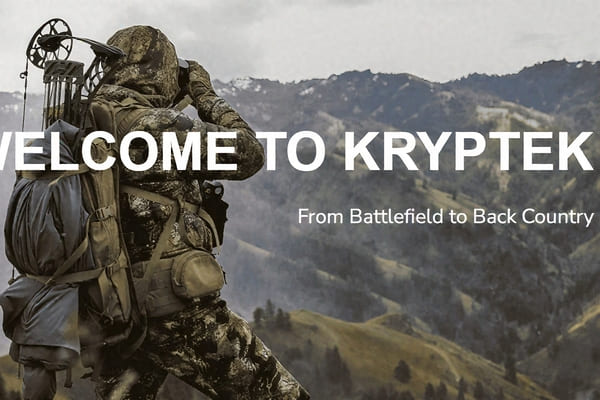
Type: Technical hunting brand
Best known for: Tactical crossover, distinctive camouflage language, and rugged outdoor identity
Why it stands out: Kryptek made camouflage part of its technical identity and occupies a distinctive position between tactical, outdoor, and hunting design7.
Best fit for: Brands studying visual differentiation, tactical crossover, and niche-driven identity.
7. Pnuma Outdoors
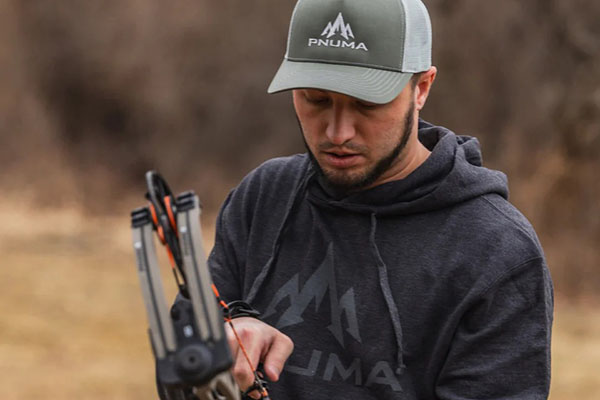
Type: Technical hunting brand
Best known for: Durability, comfort, and warranty-backed confidence
Why it stands out: Pnuma positions itself clearly around premium hunting apparel and performance, which makes it useful as a durability-first benchmark11.
Best fit for: Brands studying durability-focused positioning, comfort language, and trust signals.
8. Duck Camp
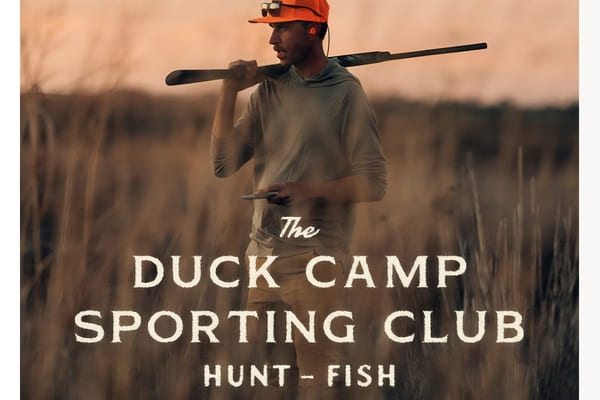
Type: Hunting and field-lifestyle brand
Best known for: Upland and waterfowl relevance, practical field pieces, and a strong lifestyle voice
Why it stands out: Duck Camp shows that not every strong hunting brand needs to sound hyper-technical. It blends field performance with a more relaxed but still credible identity12.
Best fit for: Brands studying upland and waterfowl positioning, field-lifestyle overlap, and softer brand language.
9. Badlands
Type: Hunting gear and apparel brand
Best known for: Warranty strength, reliability, and long-term ownership confidence
Why it stands out: Badlands is a useful case study in how warranty strategy can become part of brand identity and value perception13.
Best fit for: Teams studying trust-building, long-term ownership signals, and value perception in a hard-use category.
10. DSG Outerwear
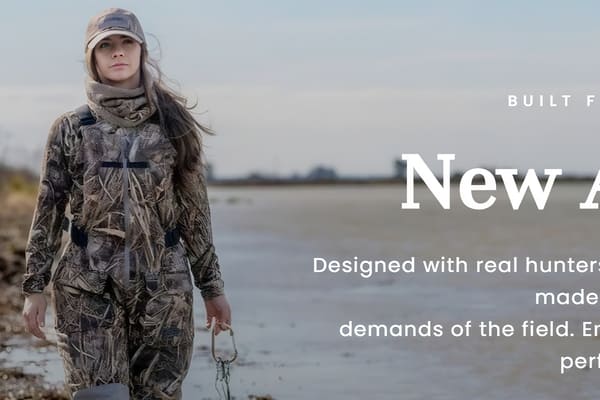
Type: Women-focused hunting apparel brand
Best known for: Women-specific fit and category focus
Why it stands out: DSG matters because it built around an underserved user group rather than treating women’s hunting apparel as an afterthought14.
Best fit for: Brands studying women’s hunting apparel, fit-driven segmentation, and underserved-category growth.
11. Under Armour Hunt
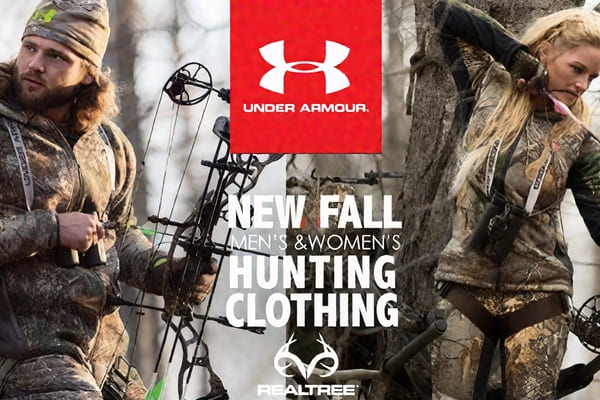
Type: Athletic performance brand with hunting category presence
Best known for: Mainstream performance-apparel logic adapted to hunting
Why it stands out: Under Armour Hunt is useful because it shows how movement, heat management, and sportswear engineering can migrate into hunting products15.
Best fit for: Product teams studying the crossover between sportswear performance engineering and hunting systems.
12. Canis
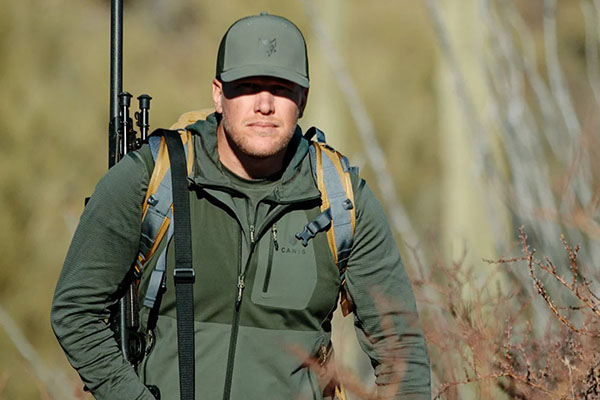
Type: Specialized technical hunting brand
Best known for: High-end material choices and serious-user credibility
Why it stands out: Canis is a strong example of how a materials-led, specialist position can still stand out in a crowded category16.
Best fit for: Brands benchmarking premium-material strategy, specialist positioning, and serious-user product language.
13. Hi-nect
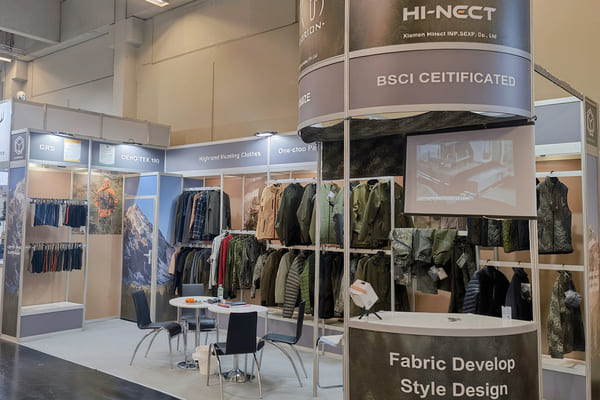
Type: OEM / ODM / development-minded manufacturing partner
Best known for: Low-MOQ flexibility, technical construction support, and R&D-driven collaboration
Why it stands out: Unlike most names on this list, Hi-nect is not a consumer-facing hunting brand. It helps brands build products under their own name, including technical jackets, softshells, hybrid systems, and 3-layer seam-sealed construction17.
Best fit for: Brands that do not need another consumer benchmark, but need a manufacturing and development partner to help build their own line1.
What Brands Should Notice Here
Once you step back from the individual names, a few patterns become obvious.
First, the strongest companies in hunting apparel are almost never generic. They stand for something clear:
- mountain systems
- merino-led layering
- women-specific fit
- domestic technical positioning
- backcountry durability
- tactical camouflage
- warranty-backed reliability
Second, product systems matter more than isolated garments. The brands that keep winning attention are usually the ones that understand how layering, weather protection, mobility, silence, and accessories work together.
Third, a great consumer brand is not automatically the right OEM or private-label partner. That distinction matters a great deal for B2B buyers. If you are a brand, you should not only ask “Who is leading the market?” You should also ask “Who can actually help me build my own line?”
Brand vs Manufacturer vs Development Partner
This is the distinction many buyers miss.
A brand-led technical apparel company is useful because it sets benchmarks. It helps you understand where the category is going.
An OEM or private-label manufacturer is useful because it can produce under your brand name. It may or may not have strong product-development support.
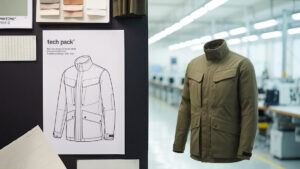
A development-minded manufacturing partner does more than quote bulk production. It helps refine patterns, solve construction problems, evaluate materials, and make product decisions before the line reaches scale10.
If you are a hunting or outdoor brand, the most visible company in the market is not always the right production partner.
Comparison Table
| Company | Type | Core strength | Best for | Benchmark or Partner |
|---|---|---|---|---|
| SITKA Gear | Technical hunting brand | Systems-based premium hunting apparel | Benchmarking premium positioning | Benchmark |
| KUIU | Technical hunting brand | Ultralight mountain systems | Mountain-hunt reference | Benchmark |
| First Lite | Technical hunting brand | Merino-led layering systems | Base-layer and material strategy | Benchmark |
| Stone Glacier | Technical hunting brand | Backcountry durability and load logic | Rugged mountain systems | Benchmark |
| FORLOH | Technical hunting brand | American-made technical positioning | Premium domestic narrative | Benchmark |
| Kryptek | Technical hunting brand | Tactical crossover and camouflage identity | Visual differentiation | Benchmark |
| Pnuma Outdoors | Technical hunting brand | Durability and premium performance language | Durability positioning | Benchmark |
| Duck Camp | Field-lifestyle brand | Upland/waterfowl lifestyle crossover | Field lifestyle product direction | Benchmark |
| Badlands | Hunting gear/apparel brand | Warranty and ownership reassurance | Trust and value positioning | Benchmark |
| DSG Outerwear | Women-focused hunting brand | Women-specific fit | Women’s line strategy | Benchmark |
| Under Armour Hunt | Performance brand extension | Sportswear logic in hunting | Performance crossover | Benchmark |
| Canis | Specialized technical hunting brand | Premium materials and specialist focus | High-end material strategy | Benchmark |
| Hi-nect | OEM/ODM/development partner | Product development and technical manufacturing | Building a brand-owned line | Partner |
How to Choose the Right Hunting Apparel Manufacturer for Your Brand
If you are moving from benchmarking to sourcing, the list above should be a starting point, not the final answer.
The right partner for your brand depends on six practical questions:
1. Do they understand your product category?
A supplier that understands upland shirts may not be the best fit for seam-sealed mountain shells. Category fit matters.
2. Can they support development, not just production?
If your line still needs pattern refinement, trim alternatives, technical construction advice, or fit problem-solving, a production quote alone is not enough18.
3. Is their MOQ realistic for your stage?
Premium hunting apparel often involves complex fabrics and trims. If your brand is still testing a niche line, MOQ flexibility matters a great deal9.
4. Can they handle technical materials and construction?
Hunting apparel increasingly depends on waterproof laminates, silent-face fabrics, insulation efficiency, technical trims, and cleaner seam construction17.
5. Do they communicate clearly?
In technical apparel, unclear communication creates sample delays, bad revisions, and avoidable quality issues.
6. Are you looking for inspiration or a true partner?
Many companies on this list are excellent to study. Only a few types of companies are built to help you actually manufacture your own products.
That is the key distinction.
Frequently Asked Questions
Are hunting apparel brands and hunting apparel manufacturers the same thing?
Not always. Many well-known hunting apparel companies are brand-led product businesses rather than OEM or private-label manufacturers. Buyers often use the word manufacturer loosely.
Why do brand-led companies still matter in a manufacturer list?
Because they often define the product benchmarks that other brands study. Even if they are not your production partner, they still shape the category.
What should a brand look for in a hunting apparel manufacturing partner?
Look for category understanding, prototyping support, MOQ realism, technical-construction capability, material knowledge, and clear communication19.
Is OEM or private-label support common in hunting apparel?
It exists, but it is not the same as buying from a strong consumer brand. Brands that want to build their own line usually need a development-minded partner rather than a direct market competitor.
Which companies are best as benchmarks, and which are best as partners?
Most of the names in this list are strongest as benchmarks. Hi-nect is the clearest example here of a manufacturing and development partner rather than a consumer-facing benchmark brand.
Conclusion
The hunting apparel market is no longer defined by camouflage alone. It is defined by systems, specialization, technical materials, category discipline, and a better understanding of how hunters actually move and use gear in the field.
That is why a list like this matters.
It helps clarify who is shaping the category, what kinds of companies are leading different parts of the market, and how brands should interpret the word manufacturer more carefully. Some names in this list matter because they define consumer expectations. Others matter because they can help brands build something of their own.
If you are a brand, that distinction is the real takeaway.
Benchmark the best. Learn from the leaders. But when it comes time to build, choose the kind of partner that matches your actual business — not just the one with the strongest consumer reputation.
References
[1] Your Expert Hunting Apparel Manufacturer & Development Partner 1
[2] SITKA Gear | Turning Clothing Into Gear 2
[3] KUIU | Performance Hunting Gear & Clothing 3
[4] First Lite 4
[5] Stone Glacier | Technical Hunting Gear, Packs & Apparel 5
[6] FORLOH | 100% American Manufactured Performance Apparel 6
[7] Kryptek | Tactical Hunting Camo Gear, Apparel, and Accessories 7
[8] About Us | Hi-nect 8
[9] Lowering MOQs: A Guide for Hunting & Outdoor Brands 9
[10] From Prototype to Production: Accelerating Your Hunting Gear Development 10
[11] Pnuma Outdoors | Premium Hunting Apparel for Ultimate Performance 11
[12] Duck Camp 12
[13] Badlands Gear | Crazy Good Hunting Gear, Apparel and Packs 13
[14] DSG Outerwear | Women’s Outdoor Clothing and Women’s Hunting Apparel 14
[15] Under Armour Hunting Category 15
[16] CANIS Technical Hunting Apparel 16
[17] 3-Layer Seam Sealed Jackets | Hi-nect 17
[18] How to Choose the Right Hunting Apparel Manufacturer for Your Brand 18
[19] How to Pick the Best Hunting Clothing Manufacturer: The Definitive Guide for 2026 19
Ready to elevate your outdoor apparel line?
Let’s talk. We offer flexible MOQ, fast samples, and expert guidance — get your quote today.
You may also be interested in:

A Hunter's Guide to Waterproof & Breathable Fabric Science
A Hunter’s Guide to Waterproof & Breathable Fabric Science For hunting and outdoor brands, waterproof and breathable fabric is never
Lowering MOQs: A Practical Guide for Hunting & Outdoor Brands
For many hunting and outdoor brands, MOQ is not just a pricing issue. It is often the first real supply-chain
How Hunting Apparel Brands Move from Prototype to Production
For hunting and outdoor brands, moving from prototype to production is not just a technical process. It is the stage